Protecting your home with a solid roof is essential. This guide on roofing and roof repairs covers how to inspect, when to repair or replace, and how to choose a trusted contractor who meets safety and warranty standards. With the right approach, you can prevent costly leaks and extend the life of your roof.
Understanding Roofing and Roof Repairs
Roofing refers to the entire system that shields your home from weather, including shingles or panels, underlayment, ventilation, flashing, and the deck. Roof repairs are targeted fixes to address leaks, damaged shingles, flashing failures, or venting issues. A well-maintained roof contributes to energy efficiency, indoor comfort, and long‑term home value. Regular inspections help catch problems early, reducing the need for major interventions later.
Signs you need roof repairs
- Visible leaks or water stains on ceilings or walls
- Missing, curling, cracked, or buckling shingles
- Damaged flashing around chimneys, vents, or skylights
- Granule loss in gutters or downspouts
- Attic condensation after rainfall or during rapid temperature changes
Common roofing materials
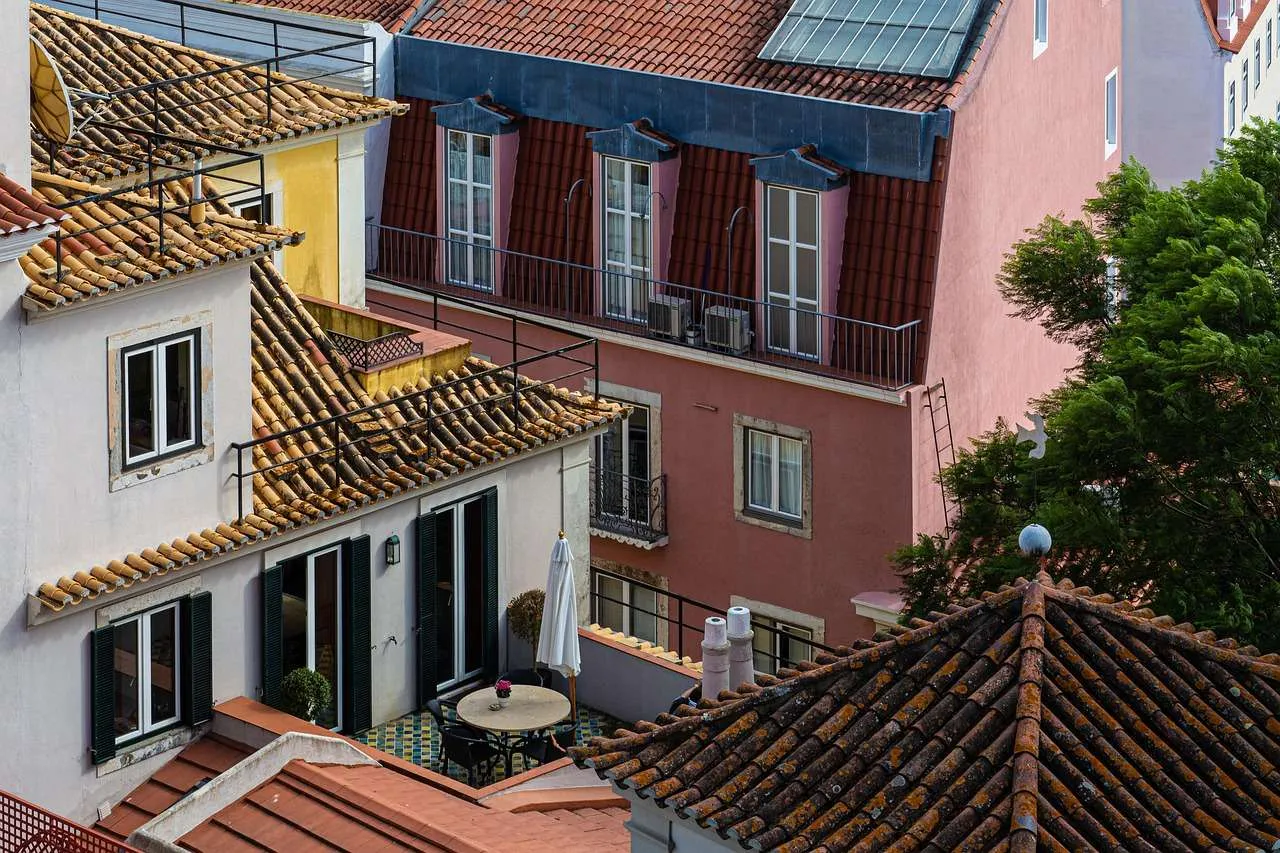
Asphalt shingles are the most common choice for balance of cost and durability. Metal roofs offer longevity and fire resistance. Tile and slate provide durability and distinctive aesthetics but require a strong deck and professional installation. Wood shakes bring natural warmth but need periodic maintenance. For flat or low-slope roofs, rubber or modified bitumen membranes are common options.
Repair vs Replacement: Making the Call
When your roof sustains damage, homeowners weigh repair versus replacement. If damage is localized and the underlying structure and underlayment are sound, repairs are typically cost‑effective and less disruptive. Widespread shingle failure, extensive leaks, or compromised decking or rafters usually indicate replacement is wiser. Age matters: a 12 to 15 year old roof with recurring leaks may justify replacement to avoid ongoing repairs and energy losses.
Cost considerations
Repair work can range from a few hundred to a few thousand dollars, depending on material and accessibility. A full roof replacement for asphalt shingles often falls in the five to fifteen thousand dollar range, while metal or tile can be higher, influenced by square footage and complexity. Don’t forget permits, ventilation upgrades, and disposal costs. While repairs are cheaper up front, replacement can improve energy efficiency and add long‑term warranties.
Lifespan and warranties
Material lifespans vary by type: asphalt 20–30 years, metal 40–70 years, tile 50+ years. Most roofs come with manufacturer warranties and contractor workmanship warranties; read the terms for coverage and exclusions. Proper installation is critical to maximize warranty validity and roof performance.
Choosing a Roofing Contractor
Hiring a licensed, insured contractor is essential for safety and long‑term protection. Look for a proven local portfolio, clear written estimates, and references. Ask about materials, installation methods, ventilation, flashing, and whether permits and inspections will be handled. A trustworthy contractor will provide a detailed schedule and a transparent warranty description.
What to ask before hiring
- Are you licensed and insured, and can you provide certificates?
- Do you offer a written, itemized estimate and a written warranty?
- Which materials and underlayment do you recommend and why?
- Will you document before and after photos and coordinate inspections?
- Can you share references and a project timeline?
Safety and permits
Roof work is hazardous; ensure the contractor follows safety protocols and has appropriate insurance. Most projects require local permits and code compliance. A reputable roofer handles permits, electrical and ventilation considerations, and final inspections with the building department.
Maintenance Tips to Extend Roof Life
- Keep gutters and downspouts clear to prevent water backup
- Inspect after storms for loose shingles or damaged flashing
- Trim overhanging branches to reduce debris and moisture buildup
- Address moss, algae, or mold promptly to protect the deck
- Ensure attic insulation and ventilation are adequate to reduce condensation and freezing cycles
Repair vs Replacement: Quick Comparison
| Factor | Roof Repairs | Roof Replacement |
|---|---|---|
| When it’s best | Localized damage; sound underlying structure | Widespread damage; aging deck or consistent failures |
| Estimated cost | Lower upfront, can be a few hundred to a few thousand | Higher upfront; often several thousand to tens of thousands |
| Lifespan impact | Restores function; limited overall lifespan extension | |
| Disruption | Shorter, less invasive | Longer project duration and potential access limits |
| Warranty | Material and limited workmanship | Full system warranties may apply |
| Material options | Matches existing roof for a seamless look | New materials and colors; potential energy upgrades |
Conclusion, a thoughtful approach to roof repairs or replacement protects home value, enhances safety, and can improve energy efficiency. Prioritize licensed professionals, accurate assessments, and clear warranties to ensure a durable, reliable roofing solution that stands the test of time.