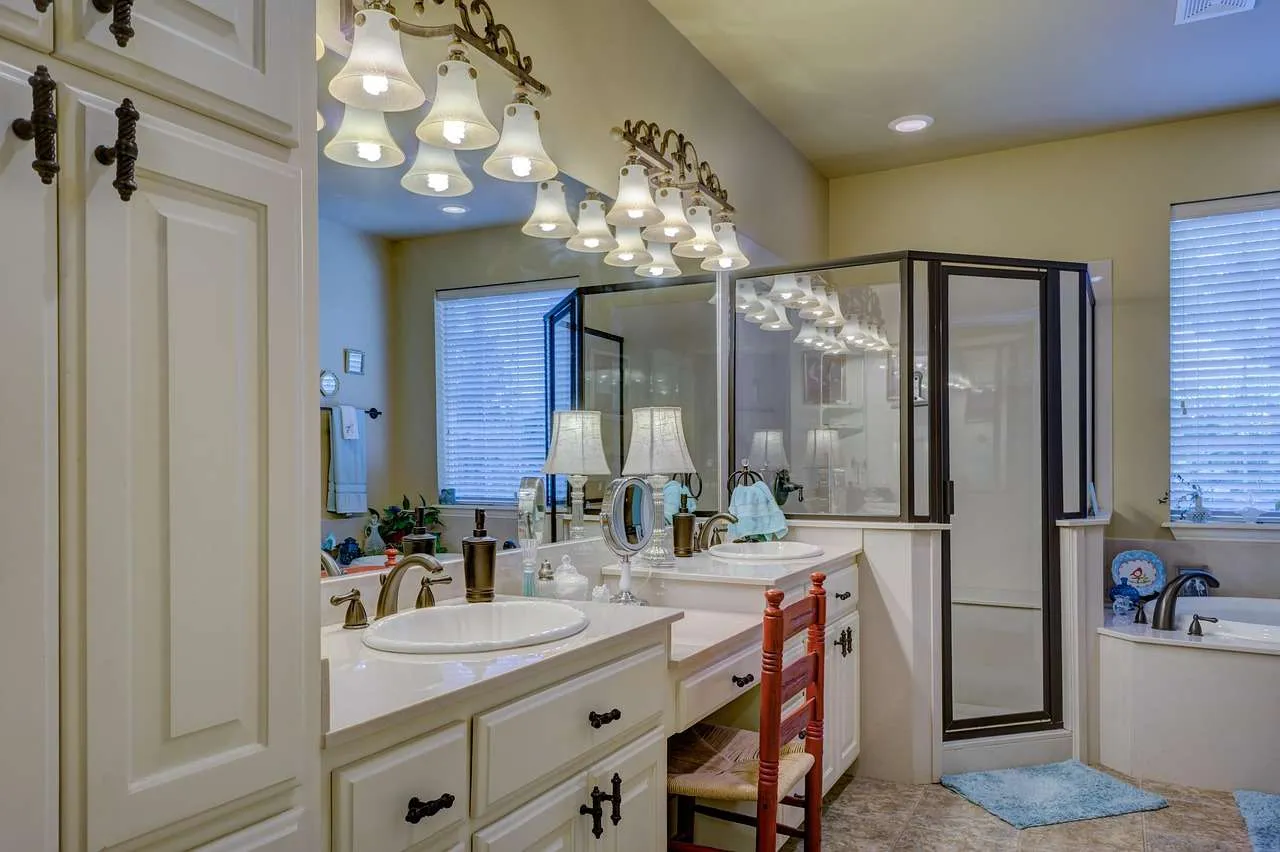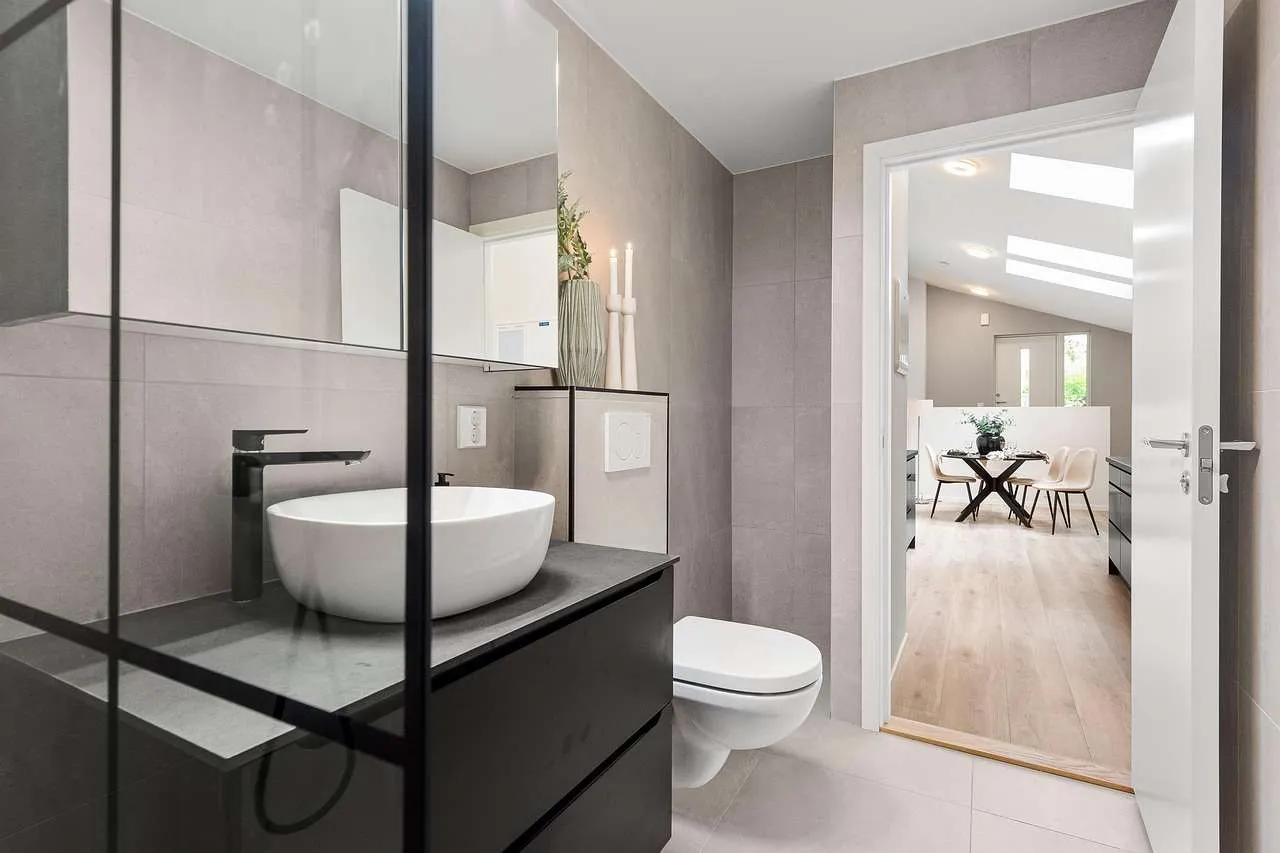
Choosing bathroom tile is more than aesthetics; it defines moisture protection, durability, and daily comfort. With ten years in the field of tile design and installation, I have learned that the right tile choices depend on room use, climate, and maintenance willingness. This guide covers how to select, install, and care for bathroom tile to ensure a long lasting, stylish outcome.
Choosing the right bathroom tile
Moisture resistance and slip resistance
In bathrooms, water exposure is constant. Look for tiles rated for floor use in wet areas (PEI rating and DCOF slip resistance). Porcelain and some ceramic tiles are dense and less porous, offering superior moisture resistance. For floors in showers, choose slip resistant textures (matte finishes or textured surfaces) to reduce falls.
Tile materials
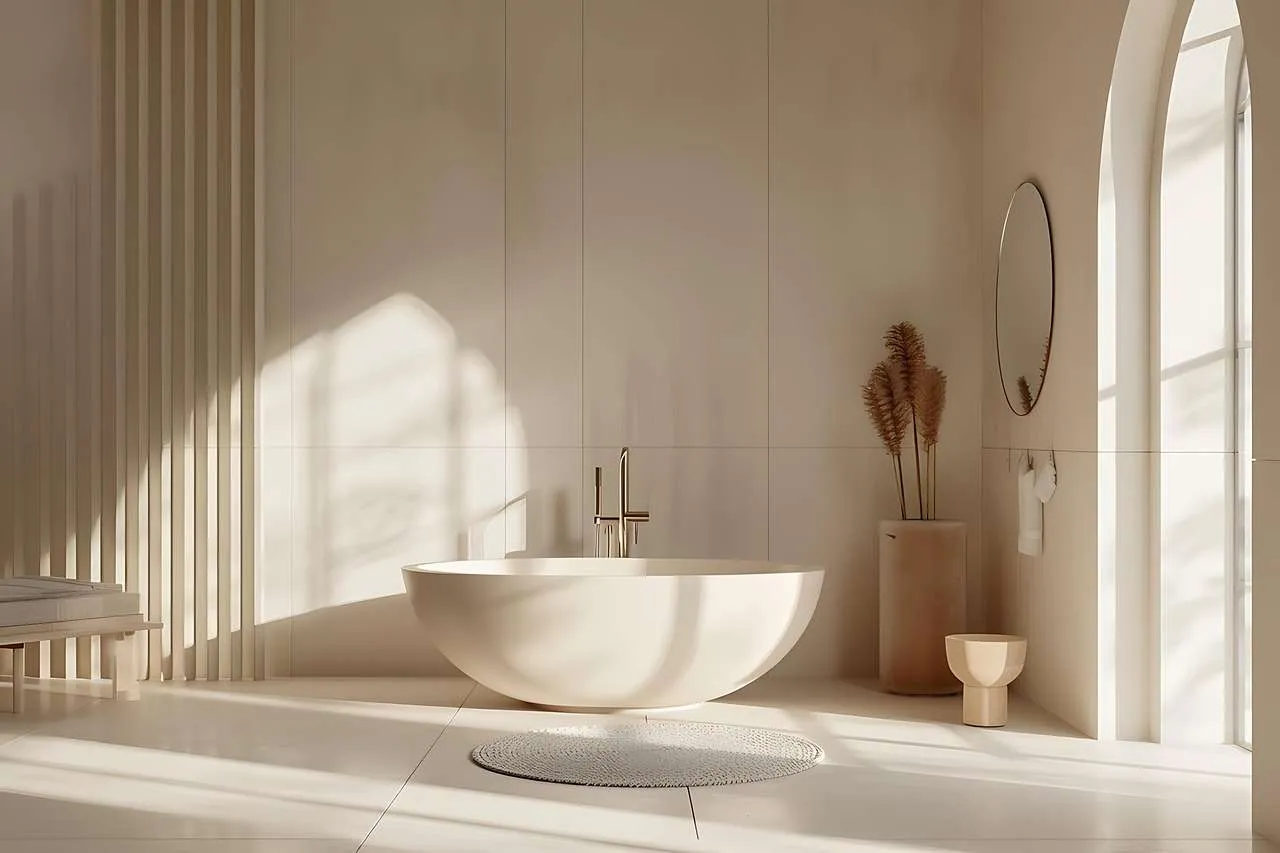
Common materials include porcelain, ceramic, natural stone, glass, and cement. Porcelain is fired at higher temperatures and is extremely durable and water resistant, making it ideal for floors and wet walls. Ceramic is budget friendly and available in many colors. Natural stone like calacatta marble or travertine delivers luxury but requires sealing and more upkeep. Glass tiles add sparkle and are great as accents but can be slippery when wet. Concrete or large format cement tiles offer modern, minimal looks but may need sealing and maintenance.
Size and layout considerations
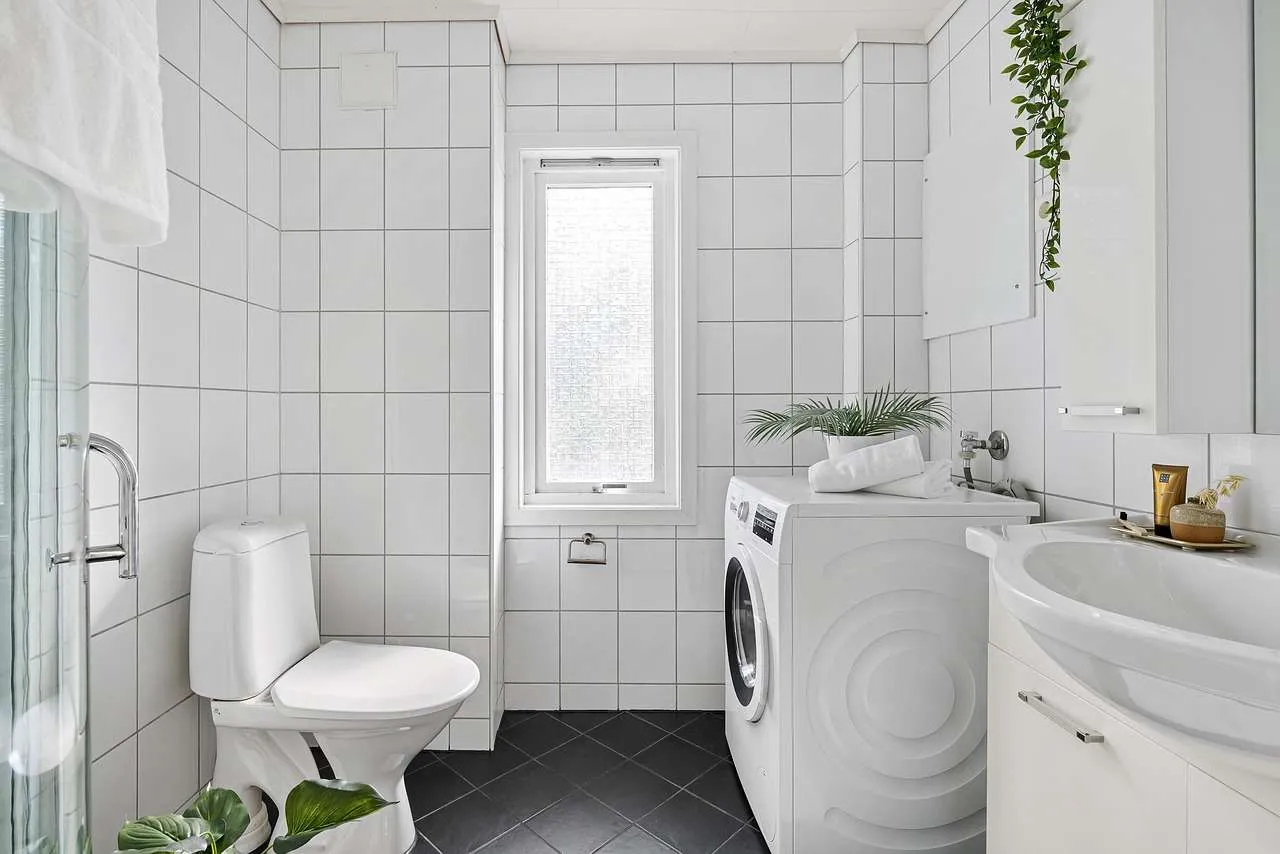
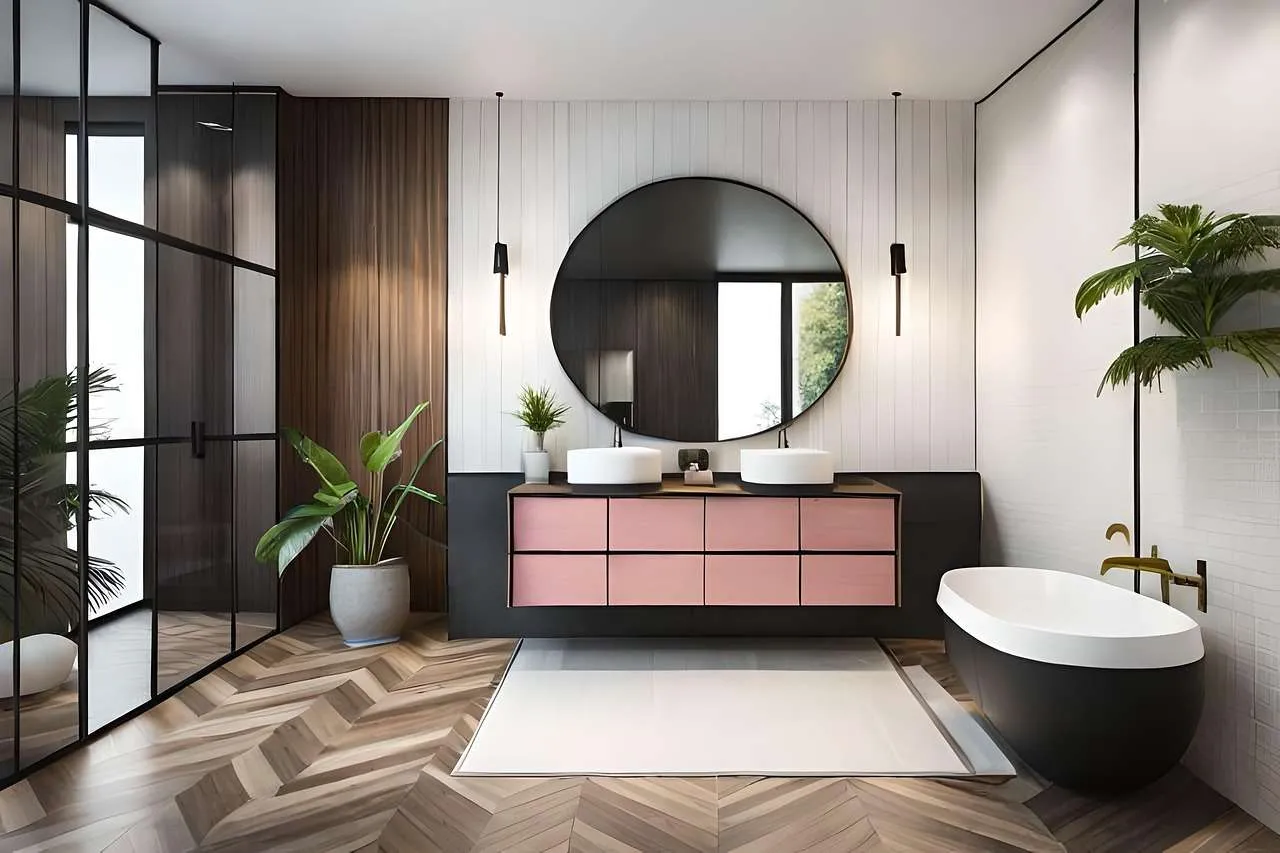
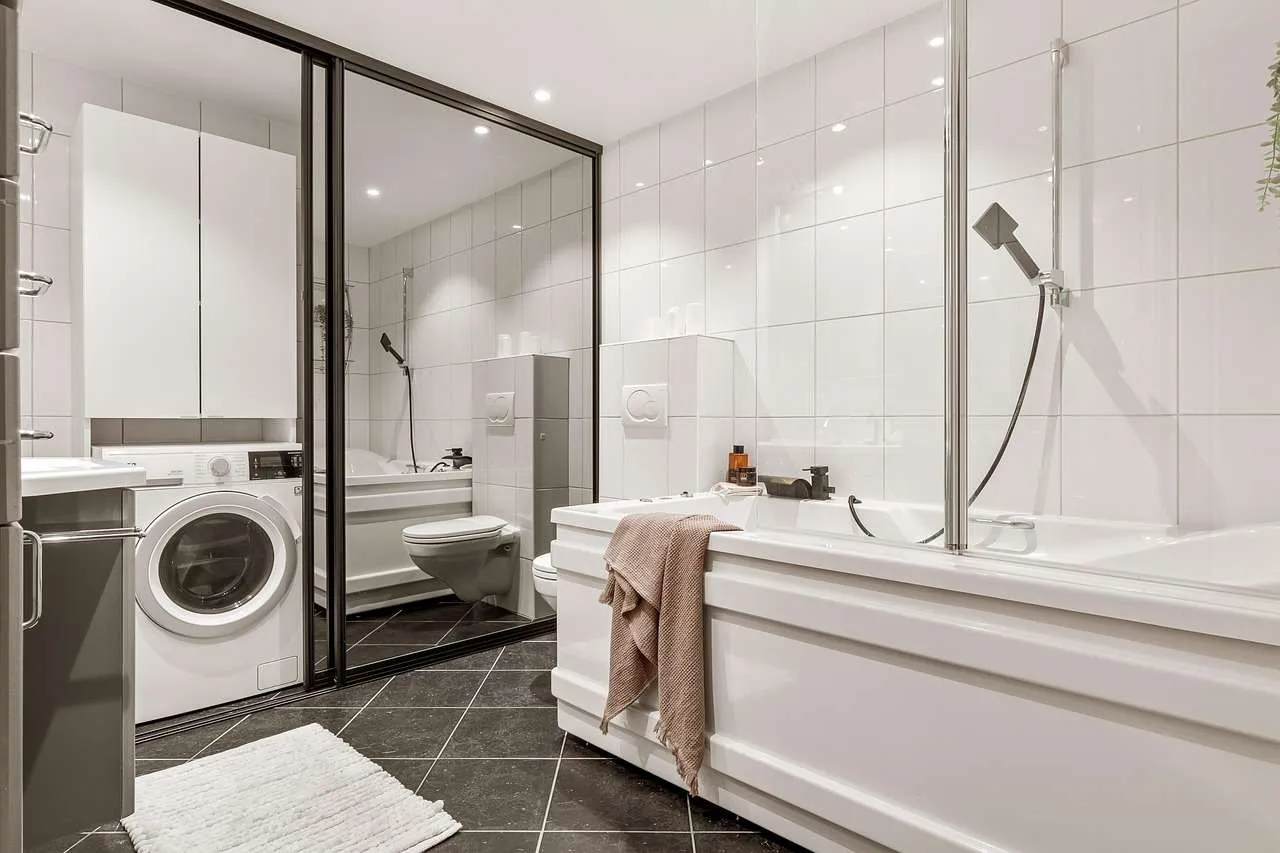
Smaller tiles can create a classic look and provide better traction, but grouting increases maintenance. Large format tiles reduce grout lines and can visually enlarge small bathrooms, but they demand substrate flatness. Rectified edges offer cleaner joints. Consider corridor style layouts for longer walls, or herringbone and diagonal patterns for visual interest.
Installation essentials
Preparation is key. Ensure a clean, level substrate, repair cracks, and address bathroom moisture with an appropriate waterproofing membrane behind the tile or beneath the substrate. Use an epoxy or cement based mortar suitable for the tile type and area. Grouting should match both the tile and room use; epoxy grout offers excellent stain resistance in wet zones, while cementitious grout is easier to work with for beginners. Seal natural stone or porous tiles after installation to prevent staining and moisture penetration.
Maintenance and care
Routine cleaning with pH neutral cleaners prevents residue buildup. Wipe down shower walls to minimize soap scum. Reseal natural stone tiles per manufacturer guidance typically once or twice a year. Regrout whenever grout staining becomes noticeable or cracks appear; timely maintenance preserves waterproofing and aesthetics.
Design ideas and trends
Mix textures and shapes to create focal points one can not see without texturing. Contrast a large porcelain floor with a glass mosaic shower accent, or use wood look porcelain for a warm, low maintenance vibe. Monochrome palettes with bold grout colors can modernize traditional bathrooms. Consider underfloor heating compatibility when choosing large format tiles. Ensure consistent tile thickness to avoid uneven transitions with cabinets and fixtures.
Comparison of common bathroom tile types
| Tile Type | Pros | Cons | Best Use |
|---|---|---|---|
| Porcelain | Highly durable, low porosity, water resistant | Heavier, more expensive, harder to cut | Floors and walls in wet zones |
| Ceramic | Budget friendly, wide range of colors | Less resistant to moisture over time on floors | Walls, backsplashes, light use areas |
| Natural Stone | Luxurious, unique veining | Requires sealing; potential staining; higher maintenance | Luxurious accents; requires sealing and maintenance |
| Glass | Reflects light, modern aesthetic | Slippery when wet on floors; can be chipped | Accent walls, small backsplashes |
| Cement/Concrete | Contemporary look; durable | Porous unless sealed; color variation | Floor accents, modern showers |
Budgeting and planning
Costs vary by material, size, and labor. Plan for substrate preparation, waterproofing, tile, grout, sealants, and labor overhead. Larger format porcelain tiles can reduce installation time but may require skilled labor for accurate cuts. Allocate budget for specialty trims, edging, and compatibility with vanity heights to ensure a cohesive result. Always request sample boards and verify consistent color and finish across tiles before purchase.
Quality installation and proper maintenance extend tile life significantly, contributing to better resale value and living comfort. A well chosen bathroom tile plan aligns function with style, ensuring durability against moisture, daily use, and cleaning challenges.
Summary, a well structured approach to selecting bathroom tile emphasizes moisture resistance, suitable materials, precise installation, and regular care. By balancing aesthetics with performance and budget, you create a bathroom that remains beautiful and functional for years to come.